Special Note: Since I completed this booklet in June 2026, and because science is always changing, I may add updates, changes, and clarifications at the end of the web version of this booklet from time to time. And, God willing, I will record this booklet on audio and open up even more about my personal experiences. Follow me on social media for more on the release date.
Disclaimer
This content is not professional medical advice, and is not intended to diagnose, treat, cure, or prevent any disease. I must advise readers to consult a physician, especially if they are pregnant, nursing, or taking medications. Additionally, these statements have not been evaluated by the U.S. Food and Drug Administration.
If there’s one truth I hope you take away from this booklet, it is that this is not simply a list of supplements, therapies, or health strategies. Those things definitely have their place, and stewardship of the body matters. But the truth is that the greatest healing often takes place long before physical healing ever begins.
Ultimate healing starts when we surrender our full lives and our illusion of control to God. It begins when we stop trying to carry burdens we were never designed to carry on our own. When we finally say, “Lord, I trust You,” and then leave the results to Him.
My Life-Changing Diagnosis
For approximately 7-months, I had a swollen lymph node in my neck, and in February 2026, I was diagnosed with head and neck cancer. Before this, I had been feeling worn down for a few years. I also had night sweats for many months. I truly felt like I was slowly dying. I still have no idea how long I was fighting this disease.
At my first meeting with my doctor, he talked about radiation and chemotherapy, along with surgery at USC. Talk about my life changing overnight! He said that we need to determine where the primary tumor (or tumors) are located and where the cancer has potentially spread. Based on the initial diagnosis, and because it appeared possible that the cancer had spread into the lymphatic system, with the possibility of additional tumors forming, many would consider this a Stage 3 diagnosis. We simply did not know the extent or seriousness of the situation.
My doctor then ordered a PET scan, but through a series of events, the scan was postponed for two months (including one of the machines breaking right before my appointment). I don’t recommend postponing an early diagnosis, but God was truly guiding my path. One reason I’m not being super specific on what I did (or am doing) is that each journey is unique, and God may guide you differently.
Waiting Time Is Not Wasted Time
As those who have waited for test results know, the waiting season can be incredibly difficult. Would I have cancer throughout my body, or would it be isolated to a small area that I could manage? Would I beat it, or would it beat me?
Over the years, I had often heard the saying, “Pray as if it all depends on God, but work as if it all depends on you.” I’m not sure if that statement is thoroughly biblical, but the principle is true: God calls us to steward many things, including our health. During this waiting time, I began to apply many of the principles and supplements mentioned in the following pages. I began with a five-day water fast to seek the heart of God. Then the elders prayed over me, based on James 5:14-15, as well as a small group of friends.
The first week was tough, but day by day, I felt stronger, and my relationship with the Lord flourished. Initially, I was around 210 pounds, but I eventually dropped to 190 pounds. Instead of crashing at 6 PM, I would work out; instead of having little energy and motivation, I began experiencing renewed energy. That change was deeply encouraging, especially when the night sweats stopped. That was truly a life-changing event:
- For one, this booklet would never have materialized, nor would it have reached countless people with help and hope.
- Second, this season became the spiritual renewal and revival that I desperately needed. I was excited to preach, and I couldn’t wait to deliver the messages God had put on my heart. You can listen to some of these messages from 2026 on my YouTube or Rumble channels.
- Third, I became a much better husband, father, and pastor, and I developed a deeper compassion for those struggling with health issues.
Although God may use alternatives or conventional therapies, He doesn’t require anything to heal us, and often, He may direct us differently in this area. And sometimes, He doesn’t heal us on this side of heaven. But He will meet you right where you’re at. Even if you don’t have anything, you have everything … you have Him. For example, I was not able to do everything mentioned in this booklet. I was rarely in ketosis, and I was not able to do hyperbaric oxygen or intravenous vitamin C therapy very often. I simply had to trust God and do the best that I could do with what I had.
Reality Hit
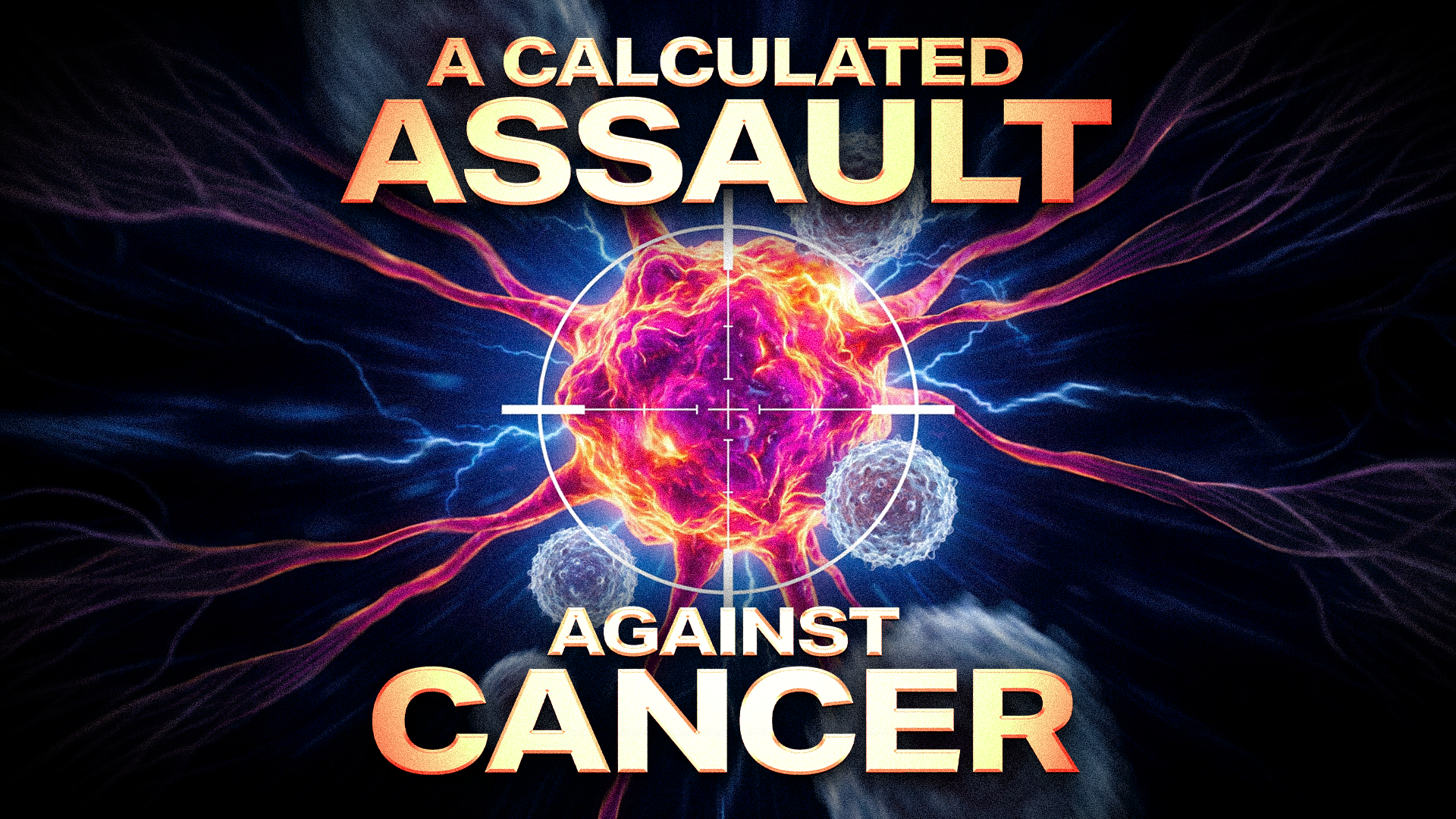
When I finally received the PET scan results on 4/20/26, they confirmed what we had expected — cancer was in a few of the lymph nodes, as well as a 2 cm tumor in my throat area. And this is where my journey continues, as I calculate an assault against cancer and navigate the same waters many of you are facing.
Although I may post updates on my social media feeds from time to time, I’m truly just taking this one day at a time. I don’t know what the future holds, but I know Who holds the future. Make sure to read the “Wrap It Up” section at the end of this booklet and watch this interview.
Environment Matters
When I was first diagnosed, I was amazed at the environment of negativity, fear, and hopelessness that seemed to permeate most medical facilities. Not to mention all the well-meaning people who offered tons of advice regarding “what I should be doing” — it was truly overwhelming.
And when YouTube removed my announcement about my diagnosis because I dared to use the word “alternatives,” I said, “Game on!” Their censorship, along with my diagnosis, awakened a renewed fire and a renewed passion for God, truth, faith, trust, and perseverance.
The process of fighting cancer can be a roller coaster ride of emotions based on opinions, options, scans, MRIs, and assessments. I would get excited if the lymph node was decreasing in size, and then dread the day when it felt larger.
From denial to acceptance, there are emotional stages people often walk through when you hear the word “cancer.” Acceptance doesn’t mean retreating into fear; instead, it says, “Here’s what’s going on, and here’s how I’m going to fight it.” For this reason, and the fact that cancer is rising at alarming levels (even in young adults), I decided to put together this short booklet.
My prayer is that you take these suggestions to the Lord and seek Him for direction. And please share this with those who need to be uplifted and inspired to take back their health. I also put together a booklet, The Dark Night of the Soul, that focuses on weathering the heavy storms that hit all of us.
Key: God’s Got This
The first week was touch-and-go. I was highly emotional, fearful, and anxious. During this time, I was often reminded of King Asa, who did not seek help from God, but only from his physicians (cf. 2 Chronicles 16:12). So I made seeking God my main priority, and the more I sought Him, the more I found Him. And He will do the same for you (cf. Jeremiah 29:13).
Depending on where you’re at in your journey, it’s normal to experience fear and anxiety. Consider taking a break from doctor’s appointments and slow down. Remember: God’s got this. Surrender everything to Him. Anxiety often causes us to react instead of waiting on the Lord. Be still and know that He is God (cf. Psalm 46:10).
It’s also important to focus on others and not solely on yourself. Pray, “Lord, how can I help others during this journey?” Maybe, like me, you’ll write a book or share your story to help others. Purpose brings peace as well as motivation … motivation to persevere.
I would also encourage you to incorporate a season of fasting as soon as possible to seek the heart of God, and to make sure to repent of sin including toxic emotions such as unforgiveness, bitterness, etc. They are very toxic physically, emotionally, and spiritually. This can be an incredible turning point in your life. Don’t waste the pain. It’s often only when we hit rock bottom that we turn to the Rock at the bottom — Jesus.
A Journey Rather Than a Destination
The information I’m sharing comes from medical journals, studies, doctors, and organizations such as Oasis of Hope in Mexico, and others that employ trained doctors, including oncologists who take an integrative oncology approach — combining functional and traditional medicine. Please research the organizations and doctors mentioned in this booklet. Just because I cite someone doesn’t mean that I endorse them; the same applies to supplements, treatments, etc.
Fighting cancer and disease can be expensive. Consider setting up something like a GiveSendGo account or taking other financial measures. But don’t worry: God will meet you right where you’re at. He doesn’t need you to do anything; He wants you to trust in Him for everything. You + God are better than all of the supplements, treatments, and biohacks combined.
Remember, this is a journey, and answers often don’t come right away. As a pastor, I’ve seen God heal people through conventional therapy, and I have seen countless people healed when God led them to alternatives. I’ve seen God heal impossible situations, and I’ve witnessed Him call His saints home.
Ultimately, all of us must bow our knees to God’s sovereignty and trust in Him. Jesus is the Great Physician. A good friend recently reminded me, “We do what we can in the natural, and then trust Him with the supernatural.”
But please keep in mind that even alternative therapies have risks and can add a great deal of stress — everything from the placement of IVs and blood clots, to toxicity from some supplements and repurposed drugs, and possible reactions to alternative treatments, especially when taken together. It’s by no means a cake walk. We must still use wisdom and bathe our decisions in prayer.
They Don’t Know What They Don’t Know
The sad reality is that nine times out of ten, most conventional physicians will discourage you from alternative therapies. But I don’t blame them — that’s all they’ve been taught. As one very skilled doctor told me, “They don’t know what they don’t know.” And some push conventional treatments because they don’t want to be sued later by family members who ask why they didn’t do more.
There are oncologists, doctors, and specialists who endorse what I’m about to share with you, but, as with all things, there are also skeptics. The key for me is to look at science through the lens of creation and design. How did God create us and design our immune system? I love physicians. I have friends and members of our church who are in the medical field — we need them. But unfortunately, many in the secular world completely miss the connection to God.
Additionally, many doctors who are well-versed in conventional and alternative therapies tell me that the medical industry is about 20 years behind the curve, and much of what today’s physicians recommend is now obsolete. Did you catch that? Wow. Even oncologists have privately shared that, although they agree with many of the alternative solutions, they can’t say anything for fear of losing their license. How sad.
Remember when fasting was bad, but smoking was okay? Remember when cholesterol was bad, but highly processed, chemical-laden, low-fat products were good? Remember when people with type 2 diabetes were told that there’s nothing more they can do? That’s not true. Changing their lifestyle is key to fighting type 2 diabetes.
I can keep going, but I think you get the picture. We must take back our health and steward it correctly.
Listen to the Right Voice — Waiting vs. Rushing
As we begin, keep in mind that all healing comes from God. We cannot trust in pills, potions, formulas, doctors, or protocols. God wants us to take care of our bodies and will hopefully bless that decision. He created natural medicines for healing. (See Revelation 22:2 and Ezekiel 47:12.)
Are you aware that many medications are derived from nature? From metformin, derived from a French lilac, to rapamycin, discovered in the soil of Easter Island, natural remedies are everywhere, including many alternative treatments for cancer. There are times, however, when God may use conventional therapy and surgery. Once more, the key is to seek Him for wisdom and direction. This is my most important point and the one that most people overlook: You must hear His voice above all other voices.
Don’t react in fear; respond with trust. He’s brought you this far, and He’ll bring you the whole way home. Yes, there were times when I was confused and didn’t know what to do; times when I was truly paralyzed. What did I do? I slowed down and sought Him. I prayed and then stepped out in faith, trusting that He would lead me. I’d rather make a decision with peace than be pushed into something that I may later regret. I’m actually writing this section during a season of waiting on God, and there is great peace.
I can’t tell you how many people I’ve talked to over the years who said that they would’ve done things differently had they not been rushed and pushed into making decisions. If you have to make quick decisions, simply trust God, step out in faith, and overcome worry with worship.
But again: Early detection and diagnosis of cancer are wise. The sooner you know what you’re up against, the sooner you can combat it. In all honesty, I should’ve looked into my symptoms months earlier when a swollen lymph node wasn’t decreasing in size.
We Must Be ALL In
Many people use some of the items listed in the following section half-heartedly, and they often take lower dosages than the therapeutic levels needed for optimal results when dealing with cancer and hitting it hard. For example, taking a few scoops of vitamin C daily is great, but it’s nothing compared to 50 grams administered intravenously.
By the way, it’s not realistic to take a few supplements and experience good health without changing your lifestyle — from food to fitness, and from thankfulness to fruitfulness — it ALL matters. Remember, it’s a calculated assault against cancer. To attack it, we need a FULL-ON assault.
For this reason, if possible, I encourage you to find an “Integrative Functional Medicine” doctor who will work with your budget. These physicians look at everything from conventional treatments to natural healing. We need a whole-body approach that considers God’s design as well as medical breakthroughs.
Granted, it can be very challenging to find a physician (I currently don’t have anyone local that I’m working with), and accessing supplements can also be challenging. But thank God that we have the Great Physician at our disposal. Even if you can’t access anything, you still have access to everything — God.
For supplements, many experts recommend LifeExtension.org for its quality controls. Pure Encapsulations, Thorne, and Metagenics are also recommended companies. We should research supplements before purchasing (especially on Amazon), as Harvard Health Publishing points out here.
My advice is to consider liposomal supplements that come in a liquid state. They are generally superior to powders because they use liposomes to protect the nutrients from degradation in the gut, which can lead to much better absorption.
Alternative Help
For those who can afford it, some alternative treatment centers are actual hospitals that offer a healthy, hope-filled environment, which is absolutely essential. Some also offer alternative choices such as Dendritic Cell Therapy, as well as other types of therapies. These advancements can be game-changers in attacking cancer because they use your own tissue, cells, and blood to create a personalized protocol that targets your specific cancer. If you need help in this area, check out this website for more information.
When I asked the Director of Oasis of Hope, Gaston Tessada, for clarification on DC therapy, he responded: “Some centers in the U.S. are able to offer certain forms of dendritic cell therapy under different regulatory pathways, research frameworks, physician exemptions, or by using less manipulated cellular processes. In many cases, however, the level of personalization and processing is more limited compared to some international programs.”
He added, “One of the major differences with programs like ours is that we have an in-house immunotherapy laboratory, which allows the medical team and lab scientists to work directly together in real time. The cells are processed locally and quickly after collection, which helps preserve cell viability and allows for more integrated and personalized treatment planning.”
Another reason some choose treatment centers outside of the USA is that many surgeons in America do not want to take the risk or the liability of working with patients who opt out of conventional therapy. In fact, many surgeons won’t proceed with surgery unless a patient commits to the full standard treatment plan.
If you want the surgery but refuse the follow-up chemotherapy and radiation that is recommended, the system often shuts the door on you — and if a doctor does take you on, they will often protect themselves by requiring you to sign legal forms proving you are choosing to skip that care against medical advice.
Building the Immunity Army
As we continue, always remember that nothing is guaranteed. Only God has the final say. His sovereignty is your sanity.
You can find plenty of information that seeks to discredit what I’m about to share with you. However, there is a certain hypocrisy in how these institutions operate. Often, the very same groups that dismiss these methods will publish reports in medical journals acknowledging their effectiveness, provided they are used with chemotherapy and radiation. There is a protocol that the medical industry must follow called conventional therapy. Anything that deviates from the path of radiation and chemotherapy is considered dangerous. And trust me, doctors do not like being challenged.
Many in the medical community admit that these treatments work to fight cancer, but they often insist on them only as ‘add-ons’ to conventional protocols. This creates a frustrating double standard. Whether the motive is a need for control, financial pressure, or simply a lack of training in holistic health, the result is the same: They are hesitant to validate any path that exists outside of their specific protocol, even when their own research points to its success.
As just one example, countless medical journals discuss the benefits of intravenous vitamin C therapy and hyperbaric oxygen chambers as long as you use them in addition to “conventional therapy.” However, there may be times to combine alternatives with conventional treatments or immunotherapy in moderation (such as Keytruda that reveals cancer cells and allows our immune system to detect and destroy them naturally). However, we still must be careful, wise, and prayed-up. Immunotherapy supercharges the immune system, and can also cause it to attack healthy cells, tissues, and organs.
Additionally, cancer cells are smart and can become resistant to chemotherapy as well as other treatments. And cancer stem cells are not really affected by chemotherapy. We need our body’s entire immune system fighting for us.
Because conventional therapies often go after the surface of cancer and not the source behind it, cancer often returns. As Sylvie Beljanski of the Beljanski Foundation observes, “Researchers are beginning to ask an uncomfortable question: What if we have been targeting the wrong cells all along? … If cancer stem cells are truly driving recurrence, then long-term remission may require more than simply destroying the visible tumor burden. It may require targeting the very root of the disease.” Read, Why Cancer Comes Back, here.
For those who choose the conventional route, you must also build your immunity. Think of using the Army, Navy, Air Force, Marines, Coast Guard, and armed citizens to fight a foreign army. In the same way, we need our T-cells, white blood cells, bone marrow, lymph nodes, healthy food, and many other things to join this battle.
If cancer begins at the cellular level, wouldn’t it make sense to focus on building healthy cells? Natural supplements are often the first line of defense before dendritic and T cells are activated. God-given nutrients support our immune system by promoting the production and activation of healthy cells and enhancing their ability to destroy pathogens. Unfortunately, chemotherapy pretty much wipes out our immune system and radiation damages healthy tissue. Then the tedious process of rebuilding begins. We must use wisdom and be prayed-up.
In the book, The Art & Science of Undermining Cancer, Dr. Francisco Contreras writes:
“Direct attacks [chemo and radiation] have diminishing returns, and aid and abet cancer becoming resistant. Instead, our approach is to undermine cancer. Our therapies and approach have the goal of excavating below the foundational strongholds of cancer. Instead of backing cancer into a corner, we dig out below it, causing it to lose its balance and topple over. One such stronghold is cancer’s ability to become resistant to treatment.”
Again, I’m not saying there’s never a time for conventional therapy, such as chemotherapy, for those who choose to go that route. But please understand that chemo goes after all cells — healthy and cancerous, and may have a diminishing return in many cases.
Since the word chemotherapy simply means therapy using chemicals (including plant alkaloids), it’s important to know what you’re taking. For example, one of the top physicians in the United States recently told me that even antibiotics and repurposed drugs such as Ivermectin and Fenbendazole are forms of chemotherapy.
Some Integrated Functional Medicine doctors and oncologists even suggest using Cyclophosphamide. When used at low doses, it may act as an immune-modulator that can “tip the balance” of the immune system to improve responses against tumors by regulating T-cells. Regulatory T-cells can actually suppress immune responses, which makes them detrimental in situations where a very healthy immune reaction is required to eliminate threats such as cancer. *Resources here and here.
Why would you want to suppress the immune system with chemo when you’re trying to build it? The strategy, some say, is to temporarily weaken the “wrong” parts of the immune system to allow the “right” parts to attack the cancer more effectively — like what I just explained above with Regulatory T-cells. But all drugs come with a price. I’m still torn even on low-dose chemo — one must weigh the pros and cons and pray for wisdom. The decision to aggressively attack cancer with drugs and radiation is NOT a decision to be taken lightly.
Top Current Suggestions
Remember: We are not guaranteed healing, but we are guaranteed intimacy — intimacy with God if we seek Him during the process. Science is always changing. As I write this in the summer of 2026, this is what many experts are recommending, but it could change in the future as they learn more. This is why I may add updates, changes, and clarifications at the end of the web version of this booklet from time to time.
The things mentioned in the following pages are simply “helps” and not the answer in and of themselves. There are many causes of cancer; some things work while others do not work (listen to more here as to why). Don’t worry about doing everything perfectly. As I once heard, “Don’t let what you don’t know stop you from doing what you do know.”
Please be very selective with supplements, treatments, and advice, as well as who you listen to while scrolling through social media. People promise the world, but rarely deliver results. Many marketing campaigns can be deceptive and offer false hope.
To defeat cancer, it begins with complete trust in God’s sovereignty regardless of the outcome. And it may take a full assault on many different fronts, including a complete lifestyle change. For example, some repurposed drugs attack cancer because they are destabilizing agents, while others affect energy production inside the mitochondria. And certain supplements work by damaging cancer’s DNA, while others help inhibit its growth. Throw into the mix diet, exercise, sunlight, fun, fellowship, healthy emotions, seeking God, and so on, and it becomes a calculated assault against cancer.
Let’s take a look at just a few things people have been using in their arsenal:
1) Ivermectin, discovered in the soil of Japan in 1970, is a strain of bacteria called Streptomyces Avermitilis. It works against cancer cells in laboratory and animal studies by targeting multiple cellular mechanisms and signaling pathways, which can lead to the inhibition of cancer cell proliferation and metastasis, while promoting cancer cell death. *Resource: National Library of Medicine.
2) Mebendazole/Fenbendazole: Both belong to the same class of medications, but Mebendazole is a human drug, whereas Fenbendazole is for animals. They both cause paralysis and death in parasites. They are said to fight cancer primarily by inducing apoptosis (cell death), inhibiting glucose metabolism, and arresting the cell cycle in the G2/M phase, similar to chemotherapy agents. They act as microtubule-destabilizing agents that disrupt cell division and increase oxidative stress in cancer cells. *Resource: Scientific Reports.
As I was concluding this booklet, a peer reviewed study was released on the effectiveness of these compounds (more here). In short, Ivermectin disrupts the DNA of parasites, and the other two go after their metabolism. Although cancer is not a parasite, these drugs may affect the DNA and metabolism of cancer cells, and some parasites are recognized as human carcinogens by the World Health Organization. *Resource here.
Although some cancers may respond well to these medications, others may not. For example, when dealing with stomach and liver cancer, the toxicity load and the effectiveness of these drugs should be taken into consideration.
Again, find a doctor that you can work with — they are experts, we are not. As another example, it’s recommended that you avoid taking some of these medications while you have a cold, flu, or illness. According to the Mayo Clinic, “Having a cold means your immune system is already working hard. Mebendazole can temporarily lower your white blood cell count, which may make you more susceptible to other illnesses or prolong your recovery time.” *Resource here.
Caution should be taken with Ivermectin, Mebendazole, and Fenbendazole. Some have reported neurological side effects.
Note: Because Ivermectin and Fenbendazole have a fairly long half-life, they can build up in the body and potentially lead to greater toxicity. This is another reason why weekly cycling may be ideal for those who go this route.
3) LDN: Since many cancers exhibit overexpression of opioid receptors, low-dose naltrexone (LDN) shows promise as an off-label, adjuvant therapy to inhibit tumor growth and cancer cell growth by modulating the immune system and blocking the opioid growth factor-receptor (OGFr) axis.
It also may reduce squamous tumors, such as oral squamous cell carcinoma (OSCC) and head and neck cancers, primarily by inhibiting the opioid growth factor–opioid growth factor receptor (OGF–OGFr) axis. This triggers an increase in the production of endorphins, which then bind to cancer cells and inhibit their growth. *Resources here and here.
4) HBOT: (hyperbaric oxygen therapy) involves breathing pure oxygen in a pressurized chamber, which dramatically increases the amount of oxygen dissolved in the bloodstream and delivered to tissues, including tumors. This counters the hypoxic (low-oxygen) environment common in solid tumors, which is a major driver of cancer progression and resistance to therapy. But if you don’t have access to HBOT, you can still take in more oxygen via exercise. It’s not as effective, but it’s still good for you.*Resource: National Library of Medicine.
5) High-dose, intravenous Vitamin C therapy (50 grams): Research indicates that at these concentrations, Vitamin C generates hydrogen peroxide, a reactive oxygen species. While normal cells can easily neutralize this compound, many tumor cells are much less capable of removing it. This leads to targeted oxidative stress that can damage tumor DNA and tissue while leaving healthy cells unharmed. *Resources: University of Iowa, Carver College of Medicine, and National Library of Medicine.
Make sure to consult a healthcare professional prior to receiving high-dose intravenous Vitamin C treatment, especially if you have chronic kidney disease or metabolic issues. A blood panel is also recommended beforehand to screen for G6PD deficiency and prevent hemolytic anemia.
Interleukin-15: As I was finishing this booklet, much was being said about Interleukin-15 (IL-15) from people such as Dr. Patrick Soon-Shiong and the Chan Soon-Shiong Institute for Medicine. Supporters suggest that it drives the development, survival, and activation of T cells and Natural Killer (NK) cells. It is not currently FDA-approved for clinical use in most cases, but multiple IL-15-based agents are in clinical development. These would be in the category of immunotherapy and would likely be produced through Big Pharma, which would make them incredibly expensive.
Again, science is always advancing, so more therapeutics will no doubt be available as the years progress. One promising endeavor is called Precision Oncology, in which scientists scan the DNA of cancer cells and profile which immune response is best for your genetic makeup. They use many more data points than conventional therapy, so it’s more targeted to the patient’s specific cancer. I’ve also been reading more about histotripsy that uses sound waves to treat cancer, specifically for liver tumors.
Traditional treatments may work at the surface of cancer — but nutrition works at the source of cancer.
Fight with God-given Ammunition
Again, when it comes to supplements, talk with an expert in the field to better assess dosage. Cycling is also an important element of supplementation. For example, a person could take numbers #1 and #2 above for a few weeks, and then add in #3 after stopping those — then cycle off and bring something else in, or go back to the original cycle.
For example, with things like Ivermectin, Mebendazole, and Fenbendazole — because of possible toxicity to the liver with long-term use — cycling three weeks on and one off (or 5 days on / 2 days off), is recommended by many specialists. Additionally, one should avoid taking some medications at the same time. This is why finding someone who specializes in functional medicine and taking everything to the Lord is so important. I’m not offering medical advice. I’m simply giving an illustration of cycling.
A) Laetrile (Amygdalin or B-17), from apricot seeds, is probably one of the most controversial cancer supplements even though places like Oasis of Hope and others have been using it for decades. The Hunza people, in northern Pakistan, have historically been associated with longevity due to their high consumption of apricots and their seeds. Laetrile is administered primarily intravenously as Amygdala because it’s much less toxic when taken intravenously than orally. More here.
I’m still torn on the risk versus benefit of Laetrile. The idea behind Laetrile is that the tiny amount of cyanide in the apricot seed (God’s creation) kills cancer cells. Normal cells have a protective enzyme in the mitochondria that prevents mitochondrial damage as long as the dosage is manageable. But one must use caution, especially with the oral and liquid forms that convert quickly to cyanide in the gut. An apricot seed has approximately 20 mg., but some people purchase pills with 500 mg. or liposomals with 1000 mg. As Paracelsus once said, “The dose makes the poison.” But again, I’m not an expert. It’s best to find someone who is.
B) Black Seed Oil: A 2022 study showed that the thymoquinone in black seed oil can stop cancerous cells from proliferating and may also induce death in those cells.
C) Curcumin: A study shows that a polyphenol found in turmeric works against cancer by modulating multiple cellular and molecular pathways to inhibit cancer cell survival, proliferation, invasion, and metastasis.
D) Vitamin D3/K2: Vitamin D is not a vitamin; it’s an important hormone that affects health at a very deep level, and the added K2 helps the absorption. An article in PubMed noted that the active form, calcitriol, works against cancer through various cellular and molecular mechanisms, including slowing cell growth, promoting programmed cell death (apoptosis), and reducing metastasis and angiogenesis (new blood vessel formation).
E) Mushrooms: The right kinds, such as those that contain AHCC (Active Hexose Correlated Compound), work against cancer primarily through immune system modulation and by containing bioactive compounds that can directly target cancer cell processes, such as promoting apoptosis, inhibiting proliferation, and preventing the spread of cancer. *Resource: National Library of Medicine.
F) Dandelion root extract: DRE is another powerful supplement. An article in The National Library of Medicine reports, “We find that DRE is able to induce a rapid activation of the death-receptor mediated extrinsic pathway of apoptosis in human leukemia and pancreatic cancer cells in a dose and time dependent manner.” *Resource here.
G) Omega-3 fatty acids, specifically EPA and DHA, are another good choice due to their anti-inflammatory properties.
H) Sulforaphane, found in vegetables such as broccoli, is a powerful antioxidant used to combat cancer.
I) Boswellia (frankincense extract) shows promising anti-cancer effects. Are you ready for an awesome fact? Frankincense is from the sap of Boswellia trees, and Psalm 104:16 says, “the trees are full of sap.” Also, a chemical compound called DMSO is a natural supplement derived from wood bark. Revelation 22:2 says that “the leaves of the tree were for the healing of the nations.” With so many natural remedies at our disposal, it’s amazing how many people overlook the Scriptures.
J) Organic Teas: Various extracts from plants — including those from leaves used in teas, such as green tea — exhibit potential cancer-fighting properties (more here and here).
Oncogenes are genes that can cause cancer. Since there are over 5,000 nutrients that can turn oncogenes on or off, I could go down a deep rabbit trail, including Methylene Blue, DMSO, Pao Pereira Extract, Astaxanthin, Red Light Therapy, and much more, but I think you get the point.
There were so many other things to consider, such as gut microbiome and oral health — many things play a role in our overall health. Hypochlorous acid (HOCl), for example, is currently being explored in cancer research primarily for its ability to enhance the immune system’s response. PubMed noted that, “Growing evidence shows a broader role for HOCl in limiting cancer cell survival and slowing tumor growth.” *Resource here.
There are so many other things I could talk about, but I had to stick with the basics to complete this resource. Again, it’s important to seek medical advice regarding dosage and application, as well as to have blood work done to check liver enzymes, white blood cell count, and many other markers.
3 More Important Keys to Healing
Many believe that cancer is more metabolic than genetic. Genes may load the gun, but lifestyle definitely pulls the trigger. Therefore, this section is one of the most important parts of this booklet. Many times, when cancer returns, it’s because the fortress of the body wasn’t guarded. Being in remission is not a time to go back to destructive habits; it’s a time to keep fighting.
Parents must also fight for the health of their children. The Cancer Research Institute released an article in 2026 titled: Colorectal Cancer Rates Are Skyrocketing in Young Adults. We are setting them up for failure before they even begin. When the pantry and the refrigerator contain only good food, guess what the kids will eat? A “treat” now and then should not be a “staple” in our homes. Yes, they will complain, but eventually, they’ll ask for carrots and apples. Nursing moms, your diet will greatly affect the quality of life-giving milk you provide. Choose wisely.
Food delivers nutrients that signal cellular responses that deeply affect epigenetics — the process of turning on and off certain genetic switches. The right food delivers the right things; the wrong food turns on the wrong switch. Please don’t minimize nutrition. (Watch a powerful illustration here on Instagram.)
1) Plants vs. Meat? Eat Real Food: Eating real, God-given food in moderation (with fasting) is the BIGGEST change you can make: Food either fights disease, or feeds it.
Point to ponder: If diet doesn’t matter, why do they use sugar (glucose) to find cancer in the body during a PET scan? Fluorodeoxyglucose to be exact. Because most cancer cells primarily use glucose (sugar) for energy, a phenomenon known as The Warburg Effect, ketogenic diets may have a potential positive effect on cancer.
Some recommend a low-carbohydrate, high-fat keto diet to force the body into a state of ketosis, burning fat for fuel and producing molecules called ketones. Researchers are exploring how this metabolic shift may help starve tumors, as many cancer cells lack the flexibility to use ketones for fuel and growth when glucose is restricted. However, while cancer cells are known for rapid glucose consumption, they can also rewire their metabolism to use non-carbohydrate sources like lactate and amino acids when glucose is scarce. So I recently presented this question to Derek Lee, PhD. (an expert in the field of glucose and cancer):
“If cancer feeds off of glucose and glutamine as well as fatty acids, and can even convert muscle into carbohydrates via gluconeogenesis, why is glucose the main consideration in relation to diet?”
Dr. Lee responded, “Not all fuels are created equal for a cancer cell. For example, you can put as many fatty acids into a culture dish as you want, but if there is no glucose and glutamine, then the cells will still die. It’s not to say that fatty acids or whatever alternative fuel doesn’t matter, but they are secondary.”
He adds, “It’s kind of like trying to knock down a house by knocking off the top level first (other fuels, in this example) or going straight for the ground floor/foundation (the glucose and glutamine). Furthermore, a lot of the studies that make these extraordinary claims about the role of fatty acids or other fuels do so without severely limiting the glucose or glutamine first.”
Dr. Lee then makes a powerful point, “So sure, if you give a cancer cell as much glucose as it wants, and then put something else on top of it, it might grow slightly faster, but of course we would never set up the body in a surplus of everything (meaning we wouldn’t give our body excess ultra processed carbohydrates and tons of additional calories through dietary fat and protein and not expect the cancer to grow quickly when it has a surplus of everything).”
Clearly, being ketogenic has other positive effects, including low inflammation, positive epigenetic changes, etc., beyond strictly metabolic utilization. In short, although many prefer a ketogenic diet to fight cancer, nothing is bulletproof, but it may be a good place to begin for some people. Research is also showing how high insulin levels can contribute to many different health-related problems, including pancreatic cancer.
The University of British Columbia reports that “high insulin levels (hyperinsulinemia) can contribute to pancreatic cancer by overstimulating pancreatic acinar cells, which produce digestive juices. This chronic overstimulation causes inflammation that can convert these cells into precancerous forms.” Thus, insulin fuels cell replication and other survival pathways that can fuel tumor development and growth. *Resource here and here.
IMPORTANT: At this point, it gets a little tricky. Many longevity experts, such as David A. Sinclair and Valter Longo, as well as Oasis of Hope, advocate whole, plant-based foods. The reason is actually very simple: A low-protein diet reduces growth factors that come from consuming protein.
Personally, although I substantially reduced my carbohydrate intake, I never followed a purely ketogenic diet (25 grams of carbohydrates a day). I was probably around 75 grams — bordering on ketosis, especially with exercise burning a lot of my stored glucose. Although it is challenging, you can stay on a semi-keto diet without animal products, but care must be taken to avoid nutrient deficiencies such as with Vitamin B12, iron, etc.
With plants, more glucose is produced from the carbohydrates, but their powerful phytochemicals also bring much-needed nutrition to the body. Meat and dairy produce more IGF-1 and mTOR. Both are signaling pathways for cell growth. But maintaining adequate protein is important to prevent the body from wasting away. Some say that an animal-based ketogenic diet is typically more favorable than a plant-based one for this reason, as well as because it removes the primary fuel source — glucose.
Granted, plant proteins typically have lower levels of specific amino acids that drive growth pathways in cells. Additionally, plant proteins are absorbed more slowly than rapidly digested animal proteins. As I said, it gets confusing.
What Diet is Best Then?
Because of everything mentioned above, this question caused me a lot of stress. But I began to rest in God’s sovereignty. If I happen to have too many blueberries or consume meat, I don’t think it’s going to throw God off track. God created food to be consumed in moderation. Do what you can, then leave the results to Him. It’s not biblical to worry (cf. Matthew 6:25-34).
The BIGGEST step you can take is to remove highly processed foods. From bags of chips, breads, and crackers to fast food, and from unhealthy snacks to refined vegetable oils and sugar, removing these items and returning to God-given food is the most important step you can take. We can’t go wrong following His design.
Although most longevity studies point to plant foods as the best diet for health and longevity — beans, for example, contain several compounds with potential cancer-fighting properties, including fiber — some studies lack equal comparisons. For example, many groups of people who were studied for their longevity lived in harsher conditions than many of us do. They had limited food and were much more active. They also led more demanding lives. Hormesis (the phenomenon in which stress-inducing activities trigger beneficial responses) truly was in their favor.
My Diet: Based on the biblical account of creation (that we were designed to eat plants primarily), I focus on living, low-glycemic plant foods with high nutrient density, as well as moderate amounts of raw nuts, seeds, dark chocolate, and berries, along with fresh-caught fish and clean eggs (and consume grass-fed/finished meat and raw dairy sparingly when available). But I also switch it around now and then.
When God fed the children of Israel in the wilderness, He provided “bread from heaven” known as manna (Exodus 16:4). The people made it into cakes or boiled it. It had the appearance of bdellium (from trees). The Bible states that the manna tasted like wafers made with honey. The perfect food that God chose appears to be plant-based, not meat-based. This is rather compelling for me. Then God brought in millions of quail because the people “lusted for meat.”
Interestingly, many studies show that charred meat creates Polycyclic Aromatic Hydrocarbons (PAHs) and Heterocyclic Amines (HCAs). Cancer.gov notes: “These compounds can alter DNA and increase cancer risk, with studies linking high consumption to colorectal and prostate cancers.”
Personally, I don’t eat a ton of meat or dairy, although biblically speaking, it’s allowed, and it was much cleaner back then. I also incorporate seasons of using fasting-mimicking diets as outlined in Valter Longo’s book, Fasting Cancer, published in 2025.
Moderation is key, and your overall lifestyle plays a HUGE role in either fighting disease or fueling it. (For more on what the Bible says about food, click here and scroll to page 42.)
To sum it up:
- Eat God-given, primarily plant food, in moderate amounts within a 10-hour eating window if possible. For those consuming meat and dairy, make sure it’s very clean, such as grass-fed/grass-finished, and definitely avoid luncheon meats and processed cheese.
- Although “organic” doesn’t always mean free from chemicals, it’s still the best choice. Many fruits and vegetables contain dangerous levels of glyphosate and paraquat. Paraquat is a toxic herbicide banned in over 60 countries. What does that tell you?
- Don’t snack. This leads to constant spikes in insulin and blood sugar. Also, consider walking after eating to regulate both.
- Avoid junk carbohydrates such as crackers, chips, most breads, rice, pasta, etc. Carbohydrates should come primarily from vegetables and minimal fruit. I believe that ultra-processed foods are the primary cause of cancer and disease.
- Remove unhealthy food from your home. Out of sight is out of mind. I also became a huge fan of harvesting sprouts, such as broccoli, kale, alfalfa, lentils, etc. Sprouts are possibly the most nutritious food on the planet.
- Exercise consistently and work up to 10,000 steps a day, along with basic weight training.
- Consider taking cancer-fighting supplements and consuming a lot of cancer-fighting plant foods. Grated lemon peels, for example, have many health benefits, as do countless vegetables and fruits. Sweet signals ⇒ energy, salty points to ⇒ minerals, and bitter is often associated with ⇒ healing.
- Fully seek and surrender to God. This is by far the most important step.
WHAT ABOUT JUICING? If you go this route, consider organic green vegetable juice in moderation, such as parsley, cilantro, cucumber, celery, lemon, lime, broccoli, turmeric, ginger, kale, and a tiny bit of green apple. Adding a few cups of these cancer-fighting ingredients to your daily schedule can be very powerful. Fruit juice, however, contains much more glucose without any fiber to buffer the effects of insulin — the thing we’re trying to avoid.
Like many of you, I’ve heard amazing testimonies from those who have juiced nutrient-dense foods and have switched to a plant-based diet to fight cancer. Many have also had success with the Buchinger Fasting Method. It allows for approximately 250 calories a day (primarily from organic green juice). Although it’s not as deep as water fasting, many report that it works really well.
Choosing the right diet can be baffling; this is why we must seek God for direction and wisdom. When you don’t know what to do, step out in faith, trust Him, and follow the principles noted on the previous pages.
2) Incorporate intermittent fasting: Every time we eat, it raises blood glucose levels and adds fuel for cells. Use wisdom here, especially when it comes to snacking. God created us to eat, but not all the time. A minimum of a 12-hour fasting window and up to 16 hours is ideal. Because I am an emotional eater, this can be challenging, but it can be done.
Dr. Valter Longo, head of The Longevity Institute at USC, writes in The Longevity Diet that by reducing “calories from proteins and sugars, you can decrease the activities of the growth of hormone receptors that accelerate aging.” (See pg. 57.) I believe that we are experiencing a national health crisis because we are eating the wrong types of food and too much of it. Begin here as soon as possible.
But even with fasting windows, it’s good to mix it up and throw in a day of normal eating each week. Also, add seasons of caloric restriction. In short, calorie restriction has significant benefits, such as a Very Low-Calorie Ketogenic Diet (VLCKD) from time to time, but it can also have negative effects if done too often.
I’m also a big proponent of prolonged water fasting. But a lot depends upon where you’re at in your journey. For example, how depleted your body is, medical conditions, etc., all play a role in determining the length. It would be best to do this under supervision while seeking medical advice. It’s actually very hard for those struggling with cancer, including myself, to do a prolonged water fast.
Although some may disagree, I probably wouldn’t recommend water fasting for someone who is emaciated and has Stage 4 cancer, simply because nutrient-dense healthy food could promote healing. If you decide to go the conventional route, please research Valter Longo’s work regarding how fasting helps preserve healthy cells during chemotherapy while weakening cancer cells.
Disease is often a problem of toxicity created by what we consume, ingest, or breathe — and fasting is the detox solution. Granted, spiritual health and wholeness are the goals when fasting, but the physical benefits are worthwhile. Dr. J. H. Tilden said, “After fifty-five years of sojourning in the wilderness of medical therapeutics, I am forced to declare … that fasting is the only reliable, specific, therapeutic eliminant known to man.”
Autophagy (cellular cleansing) occurs when we fast, which can break down the tumor cells for fuel, but it can also protect established cancer cells by acting as a survival mechanism under stress, as it recycles nutrients and maintains energy (more here). Only God knows how to tilt the scale back in a favorable direction. Seek Him.
KEY: Reaching your ideal body weight is also very important. Obesity is destructive and affects many issues within our bodies. Start now — don’t wait. Health can’t be a fad; it must become a lifestyle. Use the stumbling block of cancer to become a stepping stone toward fitness.
3) Sleep, rest, move: Sleep is when the body repairs itself. Focus on getting a good night’s sleep. There are many tips available, such as no electronics an hour before bed; instead, read the Bible or a good book and pray, pray, pray.
Avoid eating three hours before bed, and avoid caffeine after 10 a.m. Yes, you can still fall asleep after having caffeine, but it’s much harder to reach deep REM sleep.
Consider supplements that aid sleep, such as melatonin, valerian root, magnesium, and L-theanine, to reduce unnecessary stress. Melatonin has also shown promise as a supportive agent in cancer treatment.
Be encouraged, because I had some very difficult nights of sleep too, but you can eventually rest as you rest in Him. If you have a poor night’s sleep and get up early, put on worship, grab a cup of green tea, and worship God. Pray, “Lord, what are you teaching me? Help me become gracious, thankful, and humble. Are You trying to get my attention — what changes can I make?” These early morning worship times were some of the most precious seasons I’ve ever had with the Lord.
The Strain of Stress
Under this heading of sleep and rest, I need to briefly discuss stress and the release of cortisol, which hinders immunity. As the Cleveland Clinic rightly noted: “Chronic stress elevates cortisol, a hormone that drives the body to store fat deep within the abdomen, surrounding internal organs (visceral fat). This occurs because visceral fat cells contain a higher concentration of cortisol receptors than fat cells elsewhere in the body.”
The best way to relieve stress is to seek the Lord (which we covered earlier). You may even consider backing away from caffeine throughout the day. I vividly remember a comment from a clinical nutritionist that motivated me, “Discontinuing caffeine intake leads to significant improvements in health … far more than just dieting alone.” He also made the connection between depression, anxiety, and panic attacks to excessive caffeine.
Don’t get me wrong, as a person who once loved a few strong cups of coffee, I understand that moderation is the key. But if the body is kept in a constant state of stress, resulting in adrenal fatigue, it will break down often. Contrary to popular belief, stimulants don’t actually help fatigue; they contribute to it by robbing Peter to pay Paul.
Since caffeine runs along the same biochemical pathways in the brain as cocaine, opium, and amphetamines, quitting can be a nightmare. My suggestion is to back off day by day until intake is very minimal, and use organic green tea (light caffeine) whenever possible.
Move It or Lose It
In regard to exercise (movement), Cancer.org sums it up well: “Exercise is crucial for cancer patients before, during, and after treatment to reduce severe fatigue, boost physical function, and improve mental health. Regular activity helps combat treatment side effects like neuropathy and lymphedema, lowers the risk of cancer recurrence, improves treatment tolerance, and can increase overall survival rates.”
Starve the Enemy
Many people take supplements and incorporate a few biohacks here and there, but their diet consists primarily of dead, highly processed food. You can’t win a war if you’re constantly feeding the enemy.
Diet and lifestyle changes are among the biggest factors in overcoming disease. Even if you can’t implement all the protocols listed here, all of us can make important diet and lifestyle changes. We shouldn’t choose a few good habits while allowing many bad habits to remain.
Cautious and Careful with Peptides
Please use wisdom when considering the new trend of taking peptides without knowing what you’re doing. Some argue that certain peptides may stimulate, not directly cause, tumor growth. Some hormones fuel cancer. For example, Lupron® is used to stop the spread of prostate cancer by significantly dropping testosterone, a hormone that causes cancer growth. And women get breast cancer more frequently than men because the hormone estrogen can cause the growth of cancer cells.
Peptides such as CJC-1295, Ipamorelin, and Tesamorelin increase IGF-1 levels that may encourage growth. Additionally, some suggest that BPC-157 and TB-500 carry potential risks due to their ability to promote the growth of new capillary vessels. But many have benefited from targeted peptides, peptide therapeutics, and anti-cancer peptide sources. I’m talking primarily about growth factor peptides. *Resources here, and here.
As an example of a “possible” therapeutic peptide, 5-amino-1MQ stands out to me because it inhibits the enzyme called nicotinamide N-methyltransferase (NNMT). This may show promise for cancer patients because by inhibiting NNMT, it may help improve glucose tolerance, reduce hepatic glucose output, and enhance insulin sensitivity by increasing energy expenditure. Remember, the primary fuel for cancer is glucose.*Resources here and here.
But again, we must use wisdom before diving into something that many of us don’t know much about, especially when it comes to stimulating cellular growth pathways. And our focus should not be on “looks” but on “health.”
My BIGGEST Lesson
Nothing works perfectly. We must trust in God and Him alone. He may take away all hope, so that we finally look to the One who is Hope.
Do what you can, but don’t become obsessed with worrying about every little detail — everything from toxins and microplastics to environmental overloads, and from not eating perfectly to forgetting to take supplements. Yes, avoid harmful environments and foods loaded with pesticides, but if you become overly concerned, rigid, judgmental, and fearful, it will rob you of peace and joy.
The Only True Hope
For those who don’t know the One true and living God, your journey must begin here. I would encourage you to repent today and ask Jesus Christ to save you from your sins. He truly is our only hope. Read more here.
For Christians, my hope and prayer is that God would show you the best path for your life. Ideally, you should pray and meditate on Scripture throughout the day. Memorize Philippians 4:4-9, and simply trust in God.
I pray that my motto would become yours as well: “His sovereignty is my sanity.” And that Psalm 27:1 would become your daily prayer, “The Lord is my light and my salvation; whom shall I fear?”
To Wrap It Up
This cancer diagnosis has taught me a lot, but one lesson that stands out from the rest is that life is far more fragile than we’d care to admit to ourselves. It is easy for us to make plans and assume tomorrow will happen exactly as we had anticipated. But all it takes is one bad diagnosis or an unexpected trial to change everything. If there’s one truth I’ve taken away from this hard season, it’s this: God is never surprised. He is not pacing back and forth in heaven worrying about what will happen next. He remains sitting on His throne, sovereign, and fully in control of our lives.
If there’s one truth I hope you take away from this booklet, it is that this is not simply a list of supplements, therapies, or health strategies. Those things definitely have their place, and stewardship of the body matters. But the truth is that the greatest healing often takes place long before physical healing ever begins.
Ultimate healing starts when we surrender our full lives and our illusion of control to God. It begins when we stop trying to carry burdens we were never designed to carry on our own. When we finally say, “Lord, I trust You.”
Sometimes God is merciful and He heals instantly. Sometimes He is merciful and He heals gradually. Sometimes He is merciful and He brings healing through doctors, medications, fasting, or lifestyle changes. And sometimes He is merciful and He accomplishes a deeper spiritual healing inside the soul while the body still struggles with disease. No matter the outcome, He is merciful to us. Don’t waste the pain. Let it drive you to deeper dependence on Christ.
My prayer for you and for me is simple. I pray that our trials will continue to strengthen our faith and cause us to love God more. If this season has taught me anything, it’s that God is still good, even in the valley of the shadow of death. He is still worthy to be praised in our time of waiting and seeking. God is still in control of writing the story even when we don’t understand it. So fight illness wisely. Steward physical health. Seek godly counsel. I implore you to take care of the body God gave you as His child. But above all else, seek Him. Because at the end of the day, healing is wonderful, but knowing the Healer is everything. His sovereignty is still my sanity, and I pray it becomes yours too.
A Heartfelt Dedication
This book is dedicated primarily to the Brillhart family — Paul, Kristy, and Christian. Without their love, hope, support, and encouragement, I truly don’t know where I would be today. God brought them into our lives at just the right time, and I will be forever thankful.
It’s also dedicated to my wife, Morgan, who was a pillar of support during the darkest season of my life. Through this, our marriage became much stronger as we focused on unconditional love as well as our relationship with the Lord. She encouraged, helped, motivated, and, at times, convicted me to step out in faith.
I’m also forever thankful for the support of my five kids. My prayer is that I will become a better husband, father, and pastor because of their unconditional support. We are trusting God all the way to the finish line, and only He knows where that is.
More Help and Hope
For additional encouragement, watch the sermons below that sparked this content. And again, all my books are available as free downloads at wcfav.org. If some of the YouTube links don’t work, simply search the titles on my Rumble channel.
-When Your World Falls Apart, here.
-The Dark Night of the Soul, here.
-In Case of Emergency, Break This, here.
Additional Books by Shane Idleman
Shane Idleman is the founder and lead pastor of Westside Christian Fellowship in Southern California. More can be found here. Other books by the author include the following:
The Dark Night of the Soul
Finding Hope in the Midst of Pain
Oh God, Would You Rend the Heavens?
Understanding and Contending for a Genuine Spiritual Awakening
I Almost Quit
My Journey of Leading Through the Landmines of Ministry
40 Days to Reset Your Life
Applying God’s Wisdom for Physical and Spiritual Renewal
If My People
In Case of National Emergency, Read This
Help! I’m Addicted
Overcoming the Cravings that Overcome You
Feasting and Fasting
One Nation “Above” God
Desperate For More of God
The Heart Cry of Every Believer
Answers for a Confused Church
Times Change — Truth Does Not
What Works for Men
Regaining Lost Ground
What Works for Singles
For Relationships, for Marriage, for Life
What Works When “Diets” Don’t
Find Out What Works, What Doesn’t, and Why … While Staying Focused on the Goal, Not the Challenge!